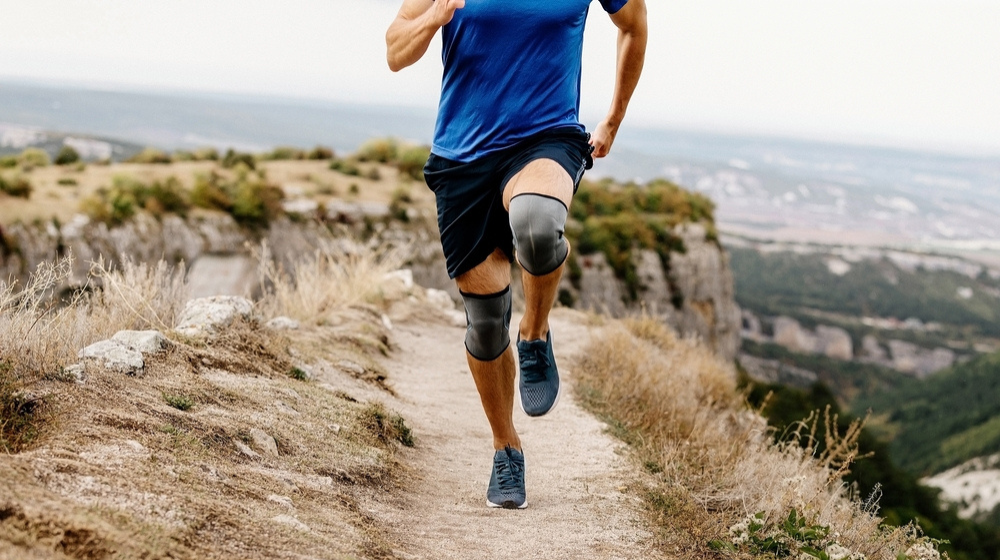

Blog
How Do Knee Braces Work? Complete Guide to Types & Support


Wondering how do knee braces work and whether one might actually help your specific knee issues? You’re asking exactly the right question before investing.
A knee brace provides support, stability, and compression to your knee joint during activity or recovery. But understanding what does a knee brace do – and which knee brace is right for me – makes all the difference between effective support and wasted money.
This comprehensive guide explains how knee braces work, covers every type available, and helps you choose the right one. Whether you need a knee brace for support during daily activities or rehabilitation from injury, we’ll cover everything you need to know.
Quick Answer: How Does a Knee Brace Work?
Knee braces work by applying compression, providing stability, and supporting the joint structure. Different types of knee braces offer varying levels of support – from light compression sleeves to rigid hinged braces for knee maximum stability.
What Does a Knee Brace Do? (5 Key Functions)
Understanding what do knee braces do helps you choose the right type for your needs.
1. Compression
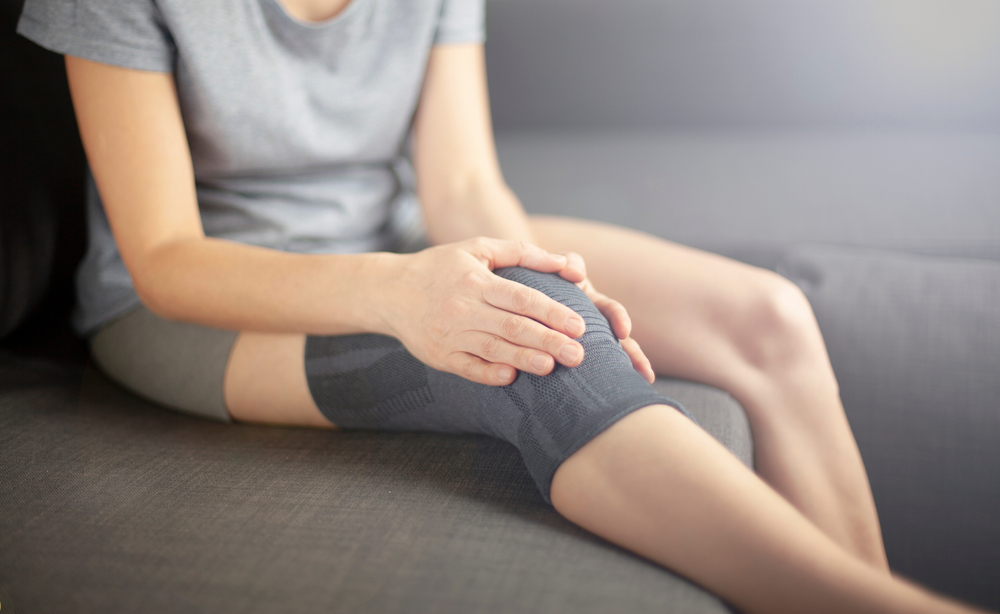
Knee brace compression increases blood circulation around your knee joint. This helps reduce swelling, eases discomfort, and promotes faster recovery. Even basic knee sleeves provide this fundamental benefit.
2. Stability
Support braces for knee stability limit unwanted movement. They keep your knee aligned properly, preventing the joint from twisting or bending in harmful directions that could damage ligaments or cartilage.
Knee brace for stability is essential during recovery from ligament injury or post-surgery.
3. Proprioception
This is your body’s awareness of joint position in space. A knee brace provides sensory feedback, helping your brain understand where your knee is positioned. This improves balance and reduces injury prevention risk.
4. Warmth and Comfort
Neoprene knee brace materials retain body heat around the joint. This warmth relaxes muscles, reduces stiffness, and eases movement – particularly helpful for morning stiffness or cold weather activity.
5. Load Distribution and Pressure Relief
Some braces redistribute weight across your knee joint. This takes pressure relief off damaged or painful areas, providing significant relief during movement.
Knee brace for alignment ensures proper weight distribution through the joint.
Types of Knee Braces Explained
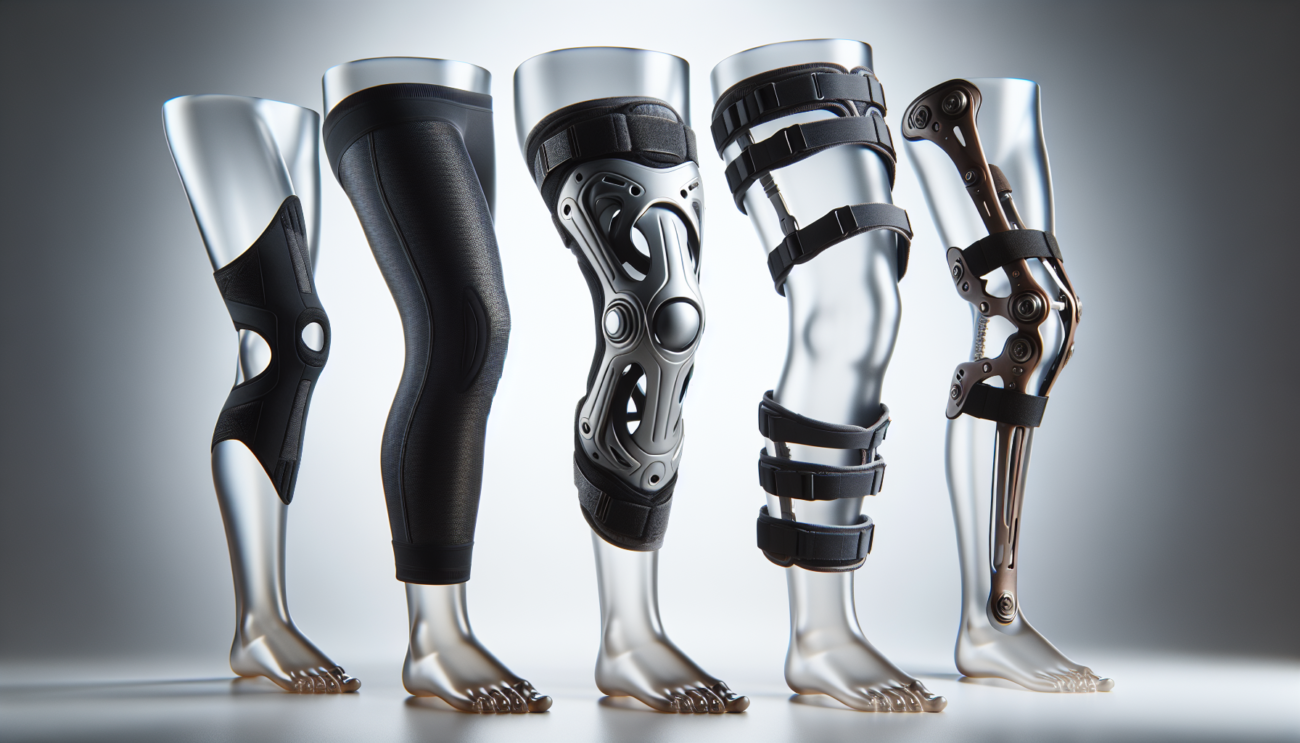
Choosing the right knee brace types depends on your specific needs. Here’s every option explained:
Compression Knee Sleeves
The simplest type of knee support – a stretchy tube that slides over your knee.
| Feature | Details |
|---|---|
| Support level | Light |
| Best for | Mild discomfort, warmth, light activity |
| Material | Neoprene, elastic fabric |
| Fit | Snug, pulls on like a sock |
Ideal for: General knee brace for knee support, gym workouts, everyday comfort.
Open Patella Knee Braces
Feature a hole at the front where your kneecap (patella) sits.
| Feature | Details |
|---|---|
| Support level | Light to moderate |
| Best for | Kneecap issues, patella tracking |
| Key benefit | Reduces pressure on patella |
| Fit | Usually adjustable knee brace with straps |
Open patella knee brace ideal for: Patella problems, kneecap discomfort, swelling.
Closed Patella Knee Braces
Cover the entire knee including the kneecap.
| Feature | Details |
|---|---|
| Support level | Moderate |
| Best for | General support, compression |
| Key benefit | Full coverage and warmth |
| Fit | Pull-on or wrap-around |
Closed patella knee brace ideal for: Overall support, warmth, mild instability.
Hinged Knee Braces
Feature metal or plastic hinges on both sides for maximum stability.
| Feature | Details |
|---|---|
| Support level | High to maximum |
| Best for | Ligament injuries, post-surgery, instability |
| Key benefit | Prevents harmful side-to-side movement |
| Fit | Wrap-around with multiple straps |
Hinged knee brace ideal for: Knee brace for ACL injuries, knee brace for meniscus tears, severe instability, rehabilitation.
Knee Straps and Bands
Thin straps worn below or around the kneecap.
| Feature | Details |
|---|---|
| Support level | Targeted/light |
| Best for | Patella tendon issues, runner’s knee |
| Key benefit | Targeted pressure relief |
| Fit | Adjustable strap |
Knee strap or patella strap ideal for: Tendon pain, jumper’s knee, specific pressure point relief.
Wraparound Knee Braces
Open at the back and wrap around your knee with adjustable straps.
| Feature | Details |
|---|---|
| Support level | Moderate |
| Best for | Easy on/off, adjustable compression |
| Key benefit | No need to remove shoes |
| Fit | Highly adjustable |
Ideal for: Those who struggle with pull-on styles, swollen knees.
Knee Sleeve vs Knee Brace: What’s the Difference?
This common confusion deserves clear explanation:
| Factor | Knee Sleeve | Knee Brace |
|---|---|---|
| Structure | Simple tube, no rigid parts | Often has straps, hinges, or stays |
| Support level | Light compression | Light to maximum |
| Flexibility | Very flexible | Varies by type |
| Best for | Prevention, mild support | Injuries, instability, recovery |
| Bulkiness | Minimal | Can be bulky |
Simple rule: Sleeves for prevention and mild support. Braces for injuries, instability, and rehabilitation.
When to Wear a Knee Brace
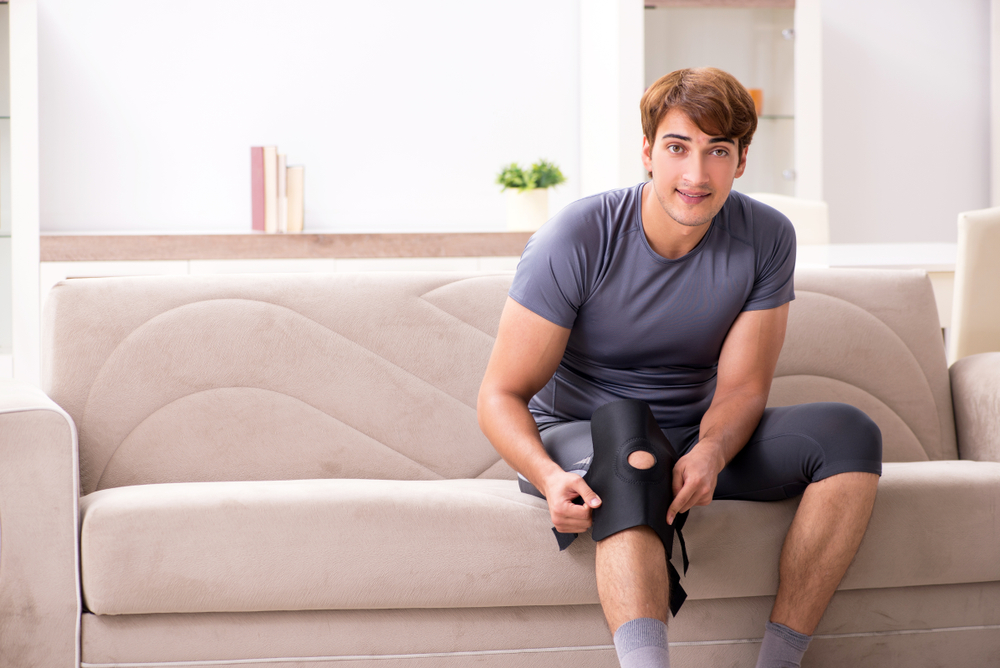
Knowing when to wear knee brace maximizes its effectiveness:
During Physical Activity
- Knee brace for exercise (gym workouts)
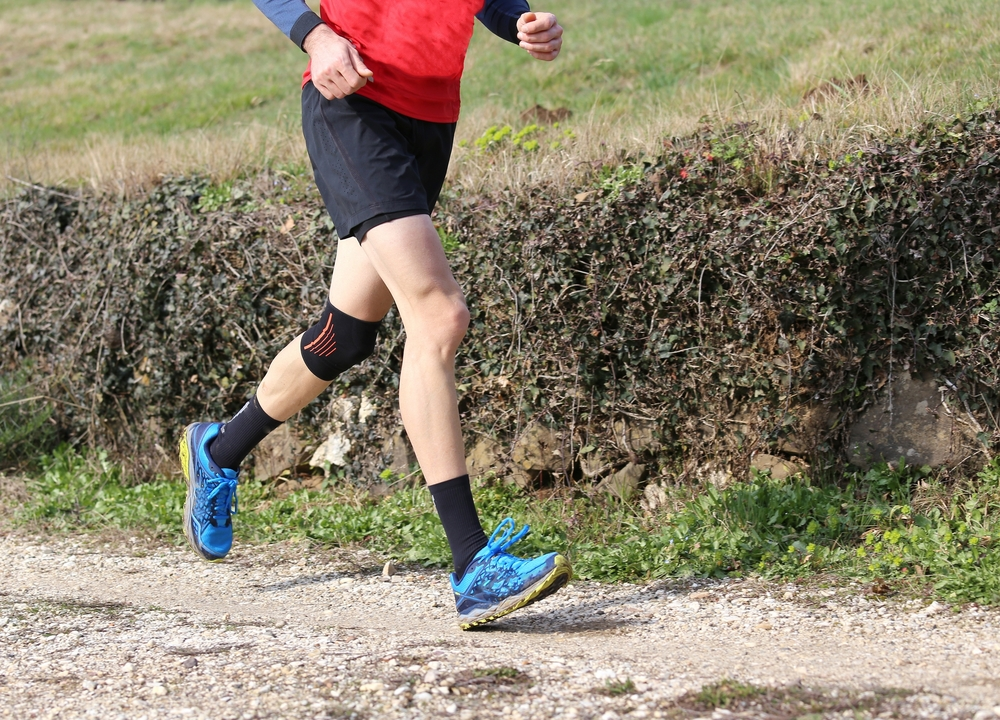
- Knee brace for running
- Knee brace for walking
- Sports participation
- Hiking and cycling
For Daily Support
- Knee brace for work (standing for long periods)
- Work activities requiring movement
- Housework and gardening
- Climbing stairs
During Recovery
- Knee brace after surgery (as recommended)
- Post-injury rehabilitation
- Physiotherapy exercises
When NOT to Wear
- Sleeping (unless specifically advised)
- If blood circulation feels restricted
- If skin becomes irritated
- If pain increases whilst wearing
How Long to Wear a Knee Brace
How long should I wear a knee brace? Duration depends on your situation:
| Situation | Recommended Duration |
|---|---|
| During activity | Throughout the activity |
| Daily support | 2–4 hours, then rest |
| Post-injury | As advised by healthcare provider |
| Prevention | During high-risk activities only |
Can I Wear a Knee Brace All Day?
Wearing knee brace all day is possible, but breaks are recommended. Is it bad to wear a knee brace all day? Continuous wear can:
- Weaken surrounding muscles over time
- Cause skin irritation
- Reduce natural joint awareness
Best practice: Wear during activities, remove during rest periods.
Sleeping with a Knee Brace
Can I sleep with a knee brace on? Generally not recommended unless specifically advised by a healthcare professional. Your knee needs rest and unrestricted movement during sleep for optimal recovery.
How to Measure for a Knee Brace (Sizing Guide)
How to measure for knee brace correctly ensures effectiveness:
Measuring Steps:
- Stand with leg straight but relaxed
- Locate the centre of your kneecap
- Measure circumference around the centre of your knee
- Note the measurement in centimetres
Knee Brace Size Guide:
| Knee Circumference | Typical Size |
|---|---|
| 31–35 cm | Small |
| 35–39 cm | Medium |
| 39–43 cm | Large |
| 43–47 cm | X-Large |
| 47+ cm | XX-Large |
What size knee brace do I need? Always check specific brand size guides as they vary.
How to Wear a Knee Brace Correctly
Knee brace fitting properly ensures maximum benefit:
Positioning:
- Centre the brace around your kneecap
- Open patella hole should frame your kneecap exactly
- Hinges should align with your joint line (sides of knee)
How Tight Should a Knee Brace Be?
How tight should knee brace be? The goldilocks rule: Snug but not restrictive.
| Knee brace too loose | Correct Fit | Knee brace too tight |
|---|---|---|
| Slides down | Stays in place | Numbness |
| Bunches up | Comfortable | Tingling |
| No compression felt | Supportive | Skin colour changes |
Proper fit: You should fit two fingers underneath comfortably.
Over or Under Clothes?
| Wearing Style | Best For |
|---|---|
| Directly on skin | Maximum compression and grip |
| Over thin layer | Sensitive skin, comfort |
| Under trousers | Discreet daily wear |
Can you wear a knee brace over trousers? Yes, though direct skin contact provides better compression.
If Your Brace Keeps Sliding Down:
- Check sizing – may be too large
- Ensure straps are properly tightened
- Consider a style with better grip material
- Shave leg hair for better adhesion (optional)
Caring for Your Knee Brace
Proper care extends lifespan and maintains hygiene:
Cleaning:
- Hand wash in lukewarm water with mild soap
- Rinse thoroughly
- Air dry completely – never tumble dry
- Clean after every few uses
Storage:
- Store flat or loosely rolled
- Keep away from direct sunlight
- Ensure completely dry before storing